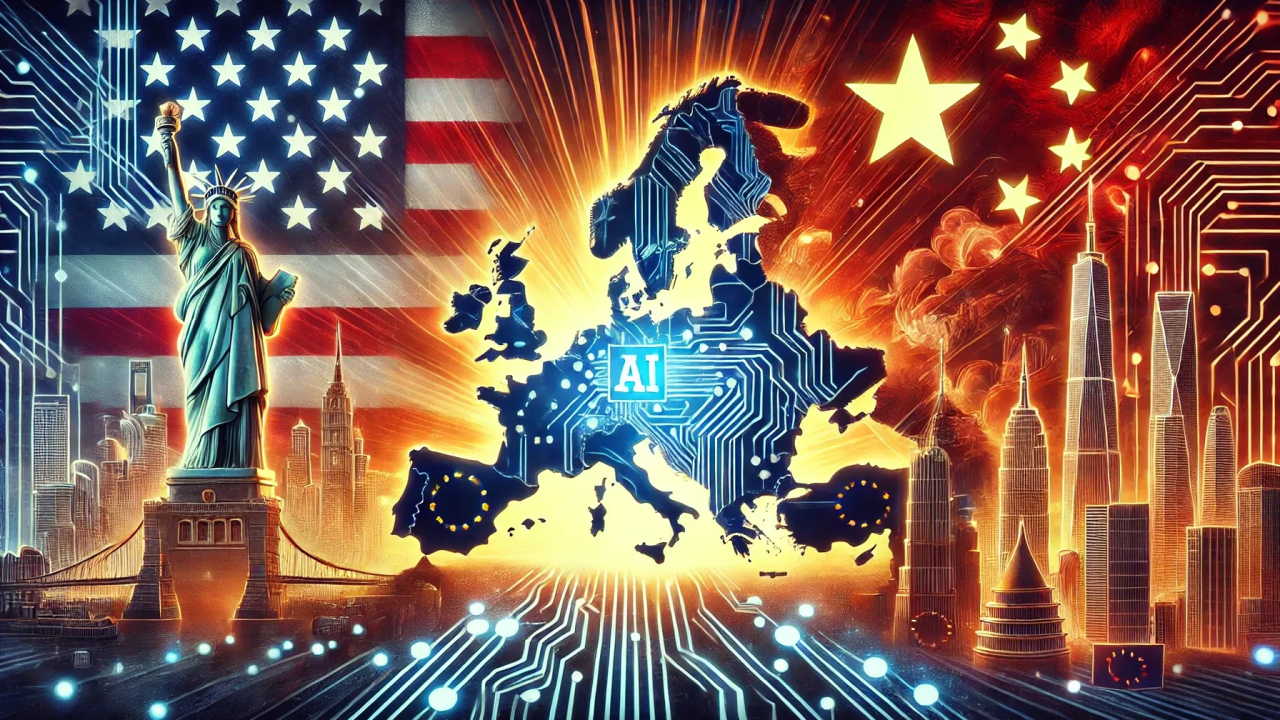
Artificial Intelligence (AI) is driving a transformative wave across industries, economies, and global power structures. Among its advancements, Generative AI has taken center stage, enabling the creation of text (including code), images, videos, and more. These tools are becoming fundamental to the global economy, reshaping productivity, creativity, and technological innovation. The widespread adoption of AI will profoundly shape our future, influencing every aspect of human life.
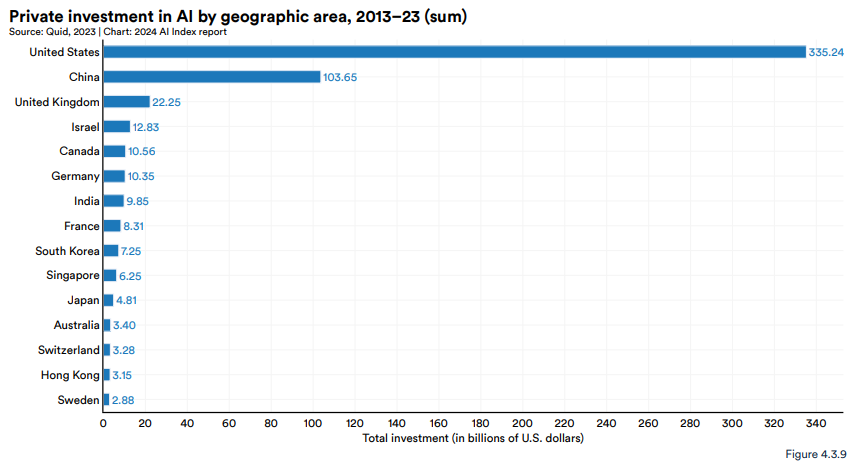
The global AI race is powered by extraordinary investments. Between 2013 and 2023, the United States attracted $335.24 billion in private AI funding, solidifying its leadership, according to data from Stanford HAI. China, with $103.65 billion in private investment, complements this with significant public funding through state-led initiatives, making it a formidable challenger to US dominance. While individual European countries trail behind these figures, collectively, Europe remains a significant player, with substantial investments mainly focused on downstream applications.
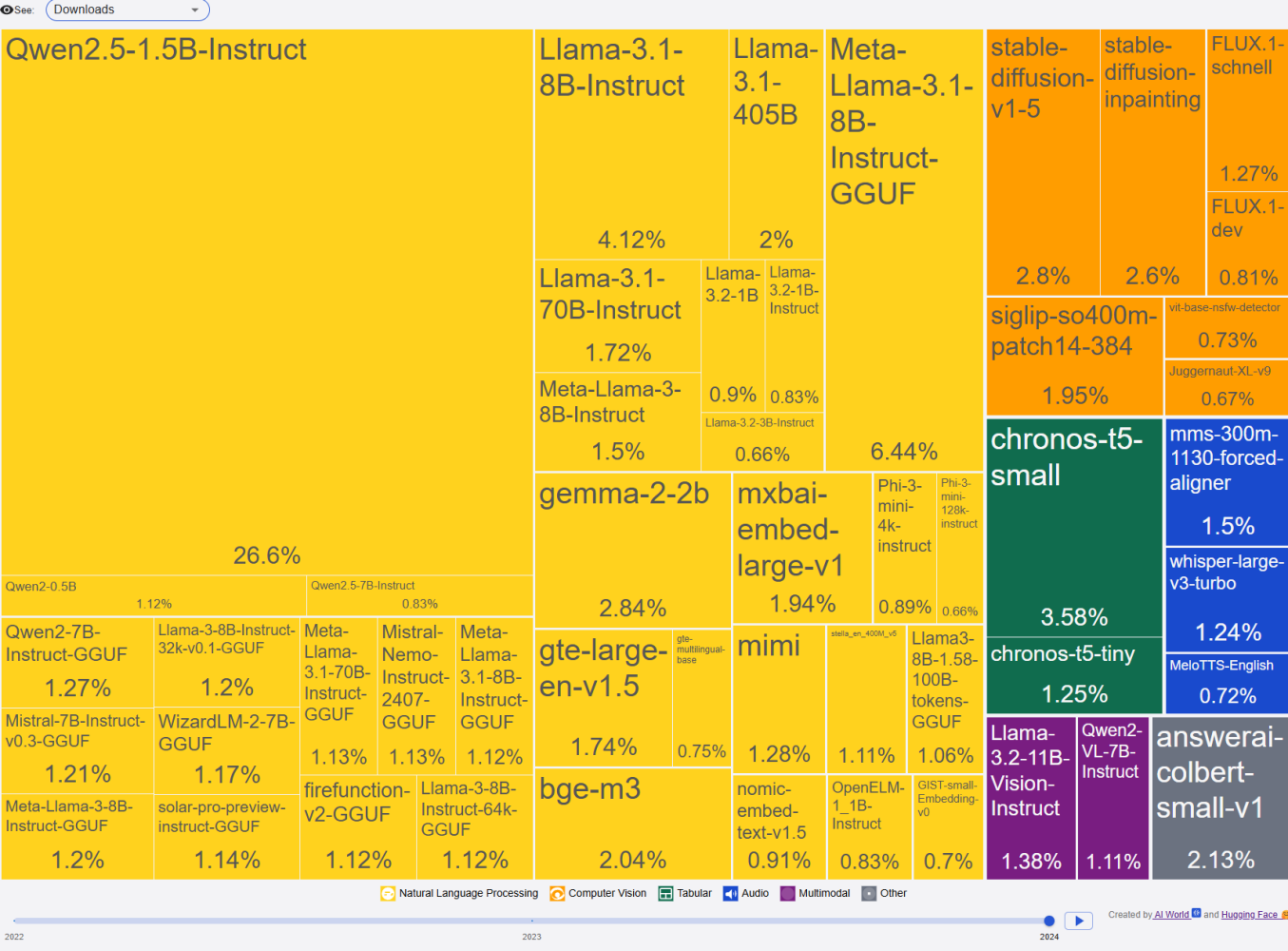
However, investments alone do not reveal the complete picture. The US and China dominate the foundational layers of the AI revolution. The US leads with cutting-edge models like OpenAI's GPT-4, Meta's Llama, Google's Gemini, and Anthropic's Claude. Meanwhile, China is rapidly catching up in 2024, with Alibaba's Qwen models and DeepSeek's models pushing boundaries in multilingual capabilities and reasoning. While Europe also invests heavily in AI, its focus is primarily further along the value chain. The US and China maintain a duopoly on foundational models, in addition to cloud infrastructures and semiconductor technologies, all forming the backbone of the AI revolution.
Europe's approach emphasizes ethical leadership. The AI Act, a first-of-its-kind regulatory framework, aims to set global standards for good AI governance. However, fragmented AI strategies among member states, challenges in cohesive funding, and reliance on external infrastructure expose risks of losing competitiveness.
As Generative AI accelerates innovation, the global AI race is no longer about whether this technology will transform the world but how it will be governed. Addressing the risks posed by AI and fostering responsible governance will be critical in harnessing its full potential. Can Europe balance its ethical ambitions with the speed and scale needed to remain competitive on the global stage?
1. The Dangers of AI and the Need for Governance
As Artificial Intelligence (AI) continues to advance, its potential risks become increasingly apparent. AI systems, while powerful, often inherit the biases present in their training data, leading to unfair outcomes in areas such as hiring, lending, health coverage, and law enforcement. Generative AI also brings challenges like deepfakes and misinformation, which can furthermore undermine trust in institutions and spread false narratives at an unprecedented scale.
Beyond ethical concerns, AI poses significant economic and security risks. Automation threatens to displace millions of jobs, reshaping labor markets faster than society can adapt. Security threats are also amplified as AI tools can be weaponized for sophisticated cyberattacks or integrated into autonomous weapons systems, raising concerns about global stability. Additionally, the environmental cost of AI is substantial, with the training of large models consuming massive amounts of energy, contributing to carbon emissions and raising sustainability questions.
Good AI governance is about building trust, accountability, and fairness into AI systems. Key components include ensuring transparency, so stakeholders understand how decisions are made, establishing accountability for unintended consequences, and safeguarding privacy and security to protect sensitive data. Fairness, adaptability to evolving challenges, and environmental sustainability are also critical pillars. Together, these elements create an environment where AI can innovate responsibly while minimizing harm and ensuring its benefits are broadly distributed.
Without robust governance frameworks, the risks of exacerbating inequalities, concentrating power, and deploying unaccountable AI systems will grow. The AI Act exemplifies Europe's efforts to set governance standards. However, the complexity of AI requires global cooperation, as no single region can govern the technology's worldwide impact alone.
The stakes are high: governance is not about slowing innovation but about ensuring that AI evolves responsibly. How each region (especially the US, China, and Europe) approaches this delicate balance will shape the trajectory of AI's impact on society.
2. How the World is Approaching AI Governance
The approaches to AI governance differ significantly between the United States, China, and Europe, shaped by their distinct priorities, political systems, and strategic objectives. These strategies influence the global AI race and the way this transformative technology impacts societies worldwide.
The United States: Innovation Leads the Way
The United States adopts a market-driven approach, where much of the advancement in Artificial Intelligence is led by the private sector. Companies such as OpenAI, Google, Meta, and Anthropic have been instrumental in developing foundational AI models like GPT-4, Gemini, Llama, and Claude. Recently, Amazon announced significant investments in Anthropic, strengthening its role in the AI ecosystem and reinforcing the country's leadership in foundational AI, similar to Microsoft's partnership with Open AI.
Public initiatives such as the CHIPS Act, which allocates $52 billion to domestic semiconductor manufacturing, underscore the government's role in enabling critical infrastructure for AI innovation. Additionally, the US is working to establish governance frameworks, including the NIST AI Risk Management Framework and standards developed by IEEE. These efforts aim to ensure safe and ethical AI deployment but remain voluntary, meaning their application depends heavily on industry adoption rather than enforceable mandates.
This combination of private-sector leadership and evolving governance efforts has allowed the US to maintain its position as a global leader in AI development. However, balancing innovation with accountability remains an ongoing challenge.
China: A State-Controlled Strategic Priority
China's approach to AI governance integrates state-driven investment with close collaboration between the government and private companies. Programs like 'Made in China 2025' and the National Integrated Circuit Industry Investment Fund have allocated billions to AI infrastructure and research, prioritizing technological sovereignty and industrial applications.
Chinese companies such as Alibaba have developed competitive open-source models like Qwen, with Qwen2.5-72B-Instruct now the default model for HuggingChat. AI is also heavily applied in areas such as industrial automation, national security, and smart city development, reflecting the country's strategic objectives.
Despite restrictions on accessing top-tier chips like NVIDIA's A100 and H100 due to international export controls, Huawei is working diligently to close the gap by developing domestic alternatives as highlighted by the CSIS think tank. These efforts underscore China's determination to remain competitive in the AI race, even amid global supply chain constraints. You can read more on China's Microchip strategy in this CSIS report.
Europe: Ethical Leadership
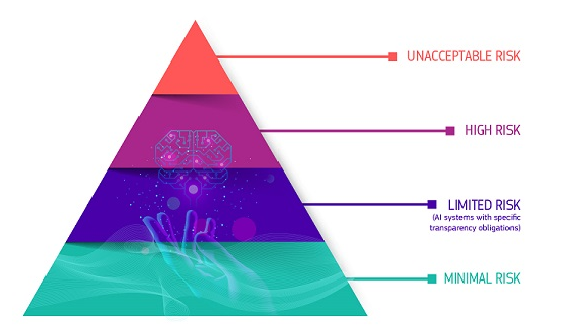
Europe's approach to AI governance prioritizes a human-centric focus, aiming to ensure AI systems are transparent, accountable, and fair. The AI Act, a pioneering regulatory framework, categorizes AI applications by risk, introducing tailored requirements to ensure safety without stifling innovation. High-risk systems face stringent oversight, while low-risk applications have more room to grow.
While this regulatory framework positions Europe as a leader in trustworthy AI governance, fragmented investment among member states and a lack of large-scale foundational AI players present challenges. Emerging companies like Mistral are stepping into the foundational AI space with ambitious goals. Mistral's progress highlights Europe's potential, but it also underscores a critical need for increased support. Without sufficient public investment and support, companies like Mistral are forced to rely on foreign funding and partnerships with Big Tech.
3. The Risks Europe Faces in the Global AI Race
Europe's unique focus on ethical AI governance positions it as a global leader in setting standards for transparency and accountability. However, this commitment brings significant challenges, particularly as Europe contends with the scale and speed of AI advancements in the United States and China.
Europe has a history of pioneering technological innovations that failed to achieve global dominance due to fragmented strategies, insufficient commercialization, or resistance to adapting to change. For instance, France's Minitel was a revolutionary pre-internet online service that introduced features like e-commerce and messaging but remained a domestic success. Its inability to transition to the internet era or scale globally meant Europe missed an opportunity to shape the early digital landscape. Similarly, chip-and-PIN technology and smart cards, both European innovations, became global standards, yet Europe failed to fully commercialize their potential. Global payment giants like Visa and Mastercard ultimately reaped the benefits by scaling the technology worldwide.
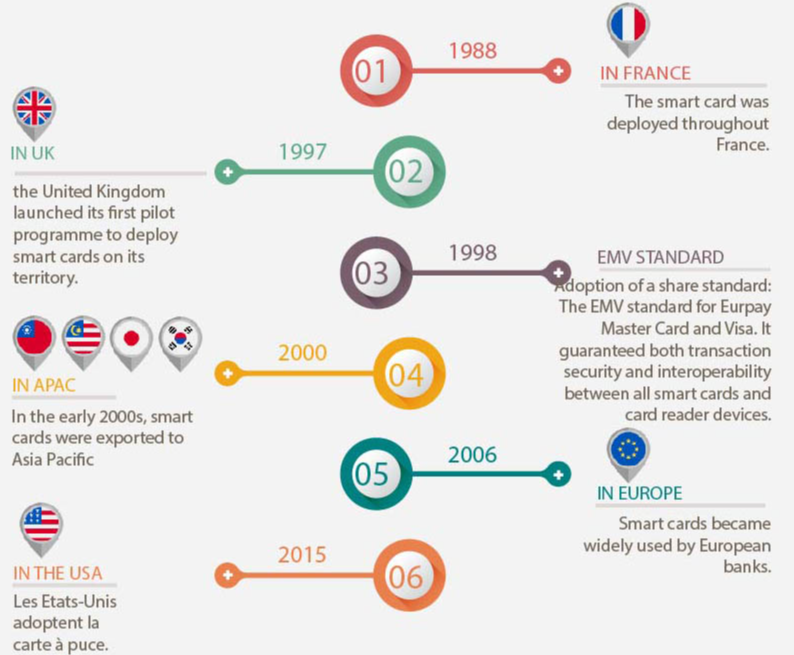
A rare success story is the GSM standard for mobile telephony, which became a global benchmark. However, even here, Europe struggled to maintain dominance in the mobile device market, which was eventually overtaken by US and Asian companies like Apple, Samsung, and Huawei. These examples highlight a recurring pattern: Europe excels in early-stage innovation but often fails to convert it into sustained global leadership.
Fragmentation among Europe's 27 member states exacerbates this issue. Countries like Germany and France invest heavily in AI research and development, but the lack of a unified strategy reduces Europe's ability to compete globally. Unlike the centralized approaches of the US and China, Europe's decentralized system creates inefficiencies and limits its impact in the global AI race.
Talent retention also remains a persistent challenge. Europe produces world-class AI researchers, but many are drawn to the United States by higher salaries and better funding opportunities. This brain drain undermines Europe's ability to develop and scale its AI innovations domestically, further weakening its competitiveness. Moreover, Europe faces significant funding gaps. Although it invests substantially in AI research, it struggles to turn these efforts into large-scale industries.
The AI Act, while representing a landmark in ethical governance, introduces compliance costs that may hinder smaller companies and startups from innovating at scale. Larger corporations can adapt to these regulatory demands, but smaller players may find it difficult to balance compliance with growth. Achieving a balance between regulation and flexibility is critical to ensuring Europe remains competitive without compromising its ethical principles.
As Mario Draghi's report, The Future of European Competitiveness, highlights, these challenges are not unique to AI. Fragmented funding mechanisms, regulatory disparities, and slow decision-making processes undermine Europe's ability to leverage its collective potential. Draghi calls for an additional 750-800 billion euros in annual investment across the EU (equivalent to 4.4-4.7% of GDP) to bolster productivity, drive the green transition, and ensure competitiveness.
If Europe can miraculously gather this immense sum, it must allocate a significant portion to AI. Investment in foundational technologies, cloud sovereignty, talent retention, and infrastructure will be crucial to secure Europe's role in shaping the future of AI while maintaining its ethical leadership on the global stage.
4. Europe's Opportunity: Setting an Example Without Falling Behind
The AI Act represents Europe's commitment to becoming a global leader in ethical AI governance. This first-of-its-kind regulatory framework sets a clear, risk-based structure for managing AI applications, ensuring transparency, accountability, and fairness. High-risk systems must meet stringent requirements to ensure safety and reliability, while lower-risk applications are encouraged to innovate within defined boundaries. This structured approach positions Europe as a pioneer in ethical AI, offering a compelling alternative to the market-driven strategies of the United States and the state-controlled priorities of China.
Europe's challenge and opportunity lie in leveraging this regulatory leadership to become the go-to provider of ethical AI solutions. Think tanks like the French Digital New Deal exemplify efforts already underway to carve out this unique position. Their work highlights the importance of moving beyond regulatory leadership to actively commercializing ethical AI solutions. By aligning governance with market-driven strategies, Europe can market its ethical AI as a competitive advantage, appealing to organizations and countries that prioritize fairness, accountability, and sustainability in technology.
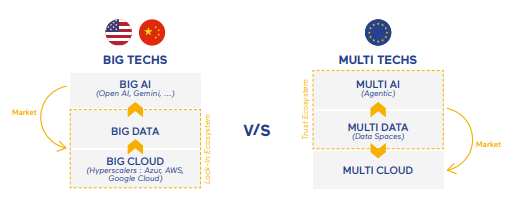
To achieve this, Europe must actively promote its AI solutions as trustworthy and globally competitive. This requires building an ecosystem where ethical AI is not only a standard but also a product. Industries such as healthcare, education, and public administration are increasingly seeking AI solutions that address critical challenges without sacrificing transparency or fairness. Europe is uniquely positioned to supply these systems, provided it can bridge the gap between governance and practical implementation.
Europe must also emphasize the economic benefits of adopting ethical AI. By positioning itself as a partner for industries and governments looking for trustworthy solutions, Europe can demonstrate that ethical AI is not merely a regulatory obligation but a value proposition that fosters trust and long-term economic success.
The AI Act has set the groundwork for Europe's leadership, but its success depends on the ability to commercialize these principles effectively. By coupling its governance framework with strategic investments and collaborations, Europe can transform ethical AI from a regulatory ambition into a marketable product. This approach will allow Europe to secure its role as a leader in the global AI race, setting an example for the world while maintaining its competitive edge.
Conclusion
The global AI race is not just about technological dominance; it's about shaping the future of AI to serve humanity responsibly. While the United States and China lead in funding, foundational models, and infrastructure, Europe's focus on ethical governance offers a unique path forward.
Europe's challenge lies in aligning its governance ambitions with the agility required to compete in a fast-moving global landscape. By scaling investments, supporting startups, fostering collaboration among member states, and addressing talent retention, Europe can ensure that it remains not just a rule-maker but also an innovation leader.
The Mario Draghi report, "The Future of European Competitiveness," highlights systemic issues that extend beyond AI. Addressing these challenges in AI could provide a blueprint for tackling similar obstacles in other industries, reinforcing Europe's role as a leader in innovation and governance.
As the global AI race continues to accelerate, Europe must strike the right balance between ethical leadership and industrial competitiveness. This balance will determine whether Europe becomes a global standard-setter or risks falling behind in yet another technological revolution.